SDG 2. Reusable Learning Artefact (RLA) Tackling Food Waste – A Guide for Eco-Conscious Educators 🌱📚

In today’s world, where environmental consciousness is not just appreciated but necessary, educators play a pivotal role in moulding the next generation’s habits and attitudes towards sustainability. Food waste is a significant issue that impacts global food security and environmental sustainability, spanning the entire food value chain from production to consumption. As educators, you have the unique opportunity to illuminate this issue and inspire change. Here’s how you can lead the charge in your classrooms and beyond.

Understanding the Impact of Food Waste 🌍

Food waste is a global conundrum that affects every link in the food value chain. Whether it’s surplus produce discarded on farms due to cosmetic standards, spoilage during transportation and storage, or perfectly good food thrown away in households, every bit of waste contributes to a larger environmental problem. This waste not only signifies a loss of valuable food resources but also contributes to greenhouse gas emissions, putting further strain on our planet.

Your Mission: Educate and Inspire 🎓✨

As an educator, you wield the power to influence young minds and instigate meaningful change. Teaching your students about the complexities of food waste and its repercussions is the first step towards fostering a more sustainable future. Here’s how you can integrate this critical issue into your teaching:

  1. Start with the Basics: Introduce your students to the food value chain and discuss how food waste occurs at each stage. Use engaging visuals and real-world examples to bring the concept to life.
  2. Investigate and Explore: Encourage your students to research the impact of food waste in their own lives and community. Assign projects that allow them to investigate solutions and innovative ways to reduce waste.
  3. Promote Sustainable Practices: Lead by example and introduce sustainable practices within your school. Whether it’s starting a compost bin, organising a zero-waste lunch challenge, or setting up a school vegetable garden, there are countless ways to inspire action.
  4. Launch a Campaign: Guide your students in creating a campaign to raise awareness about food waste. This could involve designing educational posters, creating digital content, or even hosting a workshop for the local community.
  5. Reflect and Act: Encourage your students to reflect on their learning and take personal action. Discussing what changes they can make in their daily lives to reduce food waste can be a powerful motivator.

Tools and Resources 🛠️

There are numerous resources available to help you bring this topic to life in your classroom:

  • Love Food Hate Waste: A treasure trove of information on reducing food waste at home and school.
  • WRAP (Waste and Resources Action Programme): Offers a wealth of educational materials and statistics on food waste in the UK.
  • FAO (Food and Agriculture Organization of the United Nations): Provides global insights into food waste and its impacts.

Join the Movement 🌟

Remember, change begins with awareness, and as educators, you are in a prime position to spread this awareness far and wide. By incorporating food waste education into your curriculum, you’re not just teaching a subject; you’re inspiring a new generation of eco-conscious individuals ready to tackle one of the most pressing environmental issues of our time.

Let’s make our food choices count for the betterment of our planet and future generations. Together, we can make a difference, one lesson at a time. #EcoEducators #WasteNotWantNot #SustainableSchools

Engaging with this crucial issue not only enriches your curriculum but also contributes to a larger global effort to combat food waste and its associated environmental impacts. As we move forward, let’s embrace our role as educators in this vital movement, fostering awareness, and action amongst the leaders of tomorrow.

Sources:

  • “Food Waste: Causes, Impacts and Proposals” by the United Nations Environment Programme (UNEP)
  • “Global Food Losses and Food Waste” report by the Food and Agriculture Organization of the United Nations (FAO)
  • World Wildlife Fund (WWF) Food Waste webpage
  • Love Food Hate Waste campaign website

Here are some Australian resources that can help you with your Reusable Learning Artefact on SDG 2:

  1. Foodwise: A website that provides information and resources on reducing food waste, including tips on how to plan meals, store food, and use leftovers1
  2. OzHarvest: A food rescue organization that collects quality excess food from commercial outlets and delivers it to charities that help feed people in need. Their website offers a range of resources, including lesson plans, activities, and videos for educators and students2
  3. National Food Waste Strategy: A strategy that aims to halve Australia’s food waste by 2030. The strategy provides a roadmap for reducing food waste, including actions for households, businesses, and governments34
  4. Love Food Hate Waste: A campaign that provides information and resources on reducing food waste, including recipes, meal planning tools, and storage tips5
  5. Foodbank Australia: A food relief organization that provides food to more than 2,400 charities and community groups across Australia. Their website offers a range of resources, including lesson plans, activities, and videos for educators and students6
A Very Wicked Problem

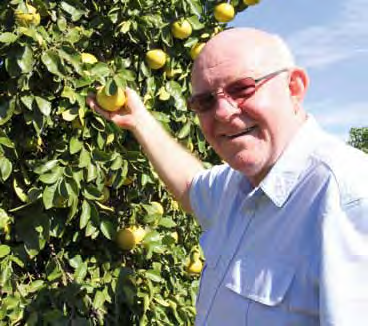
Today’s guest blog 1 is by Gerry Andersen who is the Chief Executive Officer of Foodbank NSW.

image

Gerry has also been involved with the RAS of NSW for the past 25 years and is currently a RAS Councillor and Chair of the Sydney Royal Dairy Produce Committee. I had the pleasure of working with Gerry and the superb team from the Sydney Royal Dairy Produce Show in February this year when I had the honour of stewarding in the ice cream judging section. See the post I wrote about my day here

Gerry’s work with Foodbank has perfect synergies with the ethos of the Archibull Prizewhere we ask participating students to reflect on sustainable food production and also their role in sustainable food consumption. I am confident like me you will be astounded by the amount of food that is wasted in this country and as a farmer producing some of this food that ends up in landfill it breaks my heart. It will also break your heart to read about the other end of the spectrum that Gerry shares with us in this post. It just beggars belief that this can happen.

Each year two million Australians will rely on food relief and around half of them will be children who often go to school without breakfast or to bed without dinner.

Are the lucky ones so self absorbed and we live in our own little worlds and forget what really matters?. I just don’t know. What do you think?

I do know that as a farmer I am very proud of my fellow farmers participating in the Waste Not Want Not program.

This is what Gerry has to say………………..

Waste not; want not

Food waste is a complex social, economic and environmental problem that is having an increasingly negative impact on our world.

wastegraph

There’s no doubt that when it comes to food production, Australia truly is the lucky country. We live in a plentiful country, with some of the world’s most abundant fresh produce and skilful, efficient farmers. Each year, Australia produces enough fresh food to feed 60 million people – that’s nearly enough to feed the nation 3 times over.1
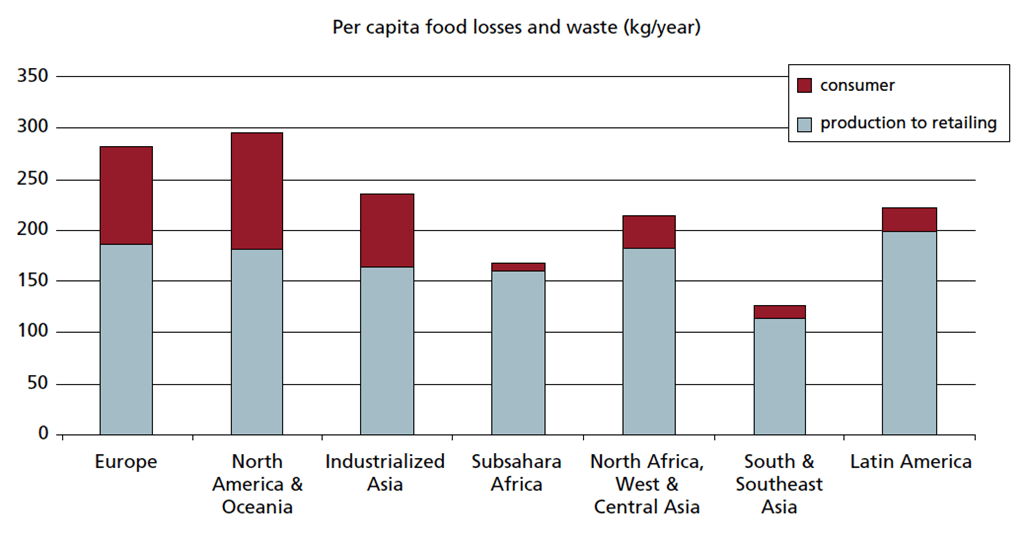
However, recent figures suggest that 4 million tonnes of food is wasted every year in Australia.

food_waste

Of this, 1.38 million tonnes is business food waste and 2.6 million tonnes is household food waste. 2

waste

This surplus food could feed millions of Australians every day. Food gets wasted because we buy more than we need; we cook more than we need; and due to demanding quality standards a lot of produce is discarded because of appearance, despite the nutritional quality still being very good. These food waste facts are startling alone, but when coupled with the fact that 1.2 million Australians do not have access to a safe and nutritious food supply, the situation is staggering.

Many of us eat well and enjoy a varied diet, so it seems strange to be discussing food shortages for Australians; however, for many, access to food is a critical problem. Each year two million Australians will rely on food relief and around half of them will be children who often go to school without breakfast or to bed without dinner. This is where Foodbank, the largest hunger relief organisation in Australia, comes into the equation. Foodbank is a not-for-profit, nondenominational organisation that seeks and distributes food and grocery industry donations to welfare agencies to feed the hungry around the country. The food goes to hostels, shelters, drop-in centres, school breakfast programs, home hampers and emergency relief packages for people in need. Last year alone it redistributed enough food for 28 million meals.

I became involved with Foodbank in 2009 taking up the role of CEO, following retirement from the food manufacturing industry three years earlier. I enjoyed entering the workforce again, and in particular working in the charity sector. Foodbank was initially formed to redistribute wasted food products from Australian food manufacturing and retailing sectors. However, recently the focus has moved to the farming industry.

Foodbank’s Waste Not Want Not program is a unique project that delivers otherwise wasted produce from the Riverina farming community to the tables of hungry families throughout NSW and the ACT. Since the program began in 2011, over 400 tonnes of produce from the Riverina district has been donated. There are plans to roll out the program in many more areas in NSW by 2013. Farmers, including small producers, can donate their fresh fruit and vegetables products that are in excess to demand or not quite up to quality standards, as they are still nutritious and very desirable to feed needy people. Our most common donations from farmers include oranges, pumpkins, onions, potatoes and grain.

There is still a long way to go to achieve an Australia without hunger, but we, as an agricultural community, can play a part to reduce the waste and hunger that exists.

food-waste-hierarchyHeria

Waste Food Hierarchy

This is a very wicked problem that each and everyone of us has an opportunity to make a difference

For more information on Foodbank and how you can become involved, visit www.foodbank.org.au/

1 This article first appeared in RAS Times July 2012.

2 Australia and Food Security in a Changing World. Report of the Prime
Minister’s Science, Engineering and Innovation Council (PMSEIC)
Expert Working Group, 2010.